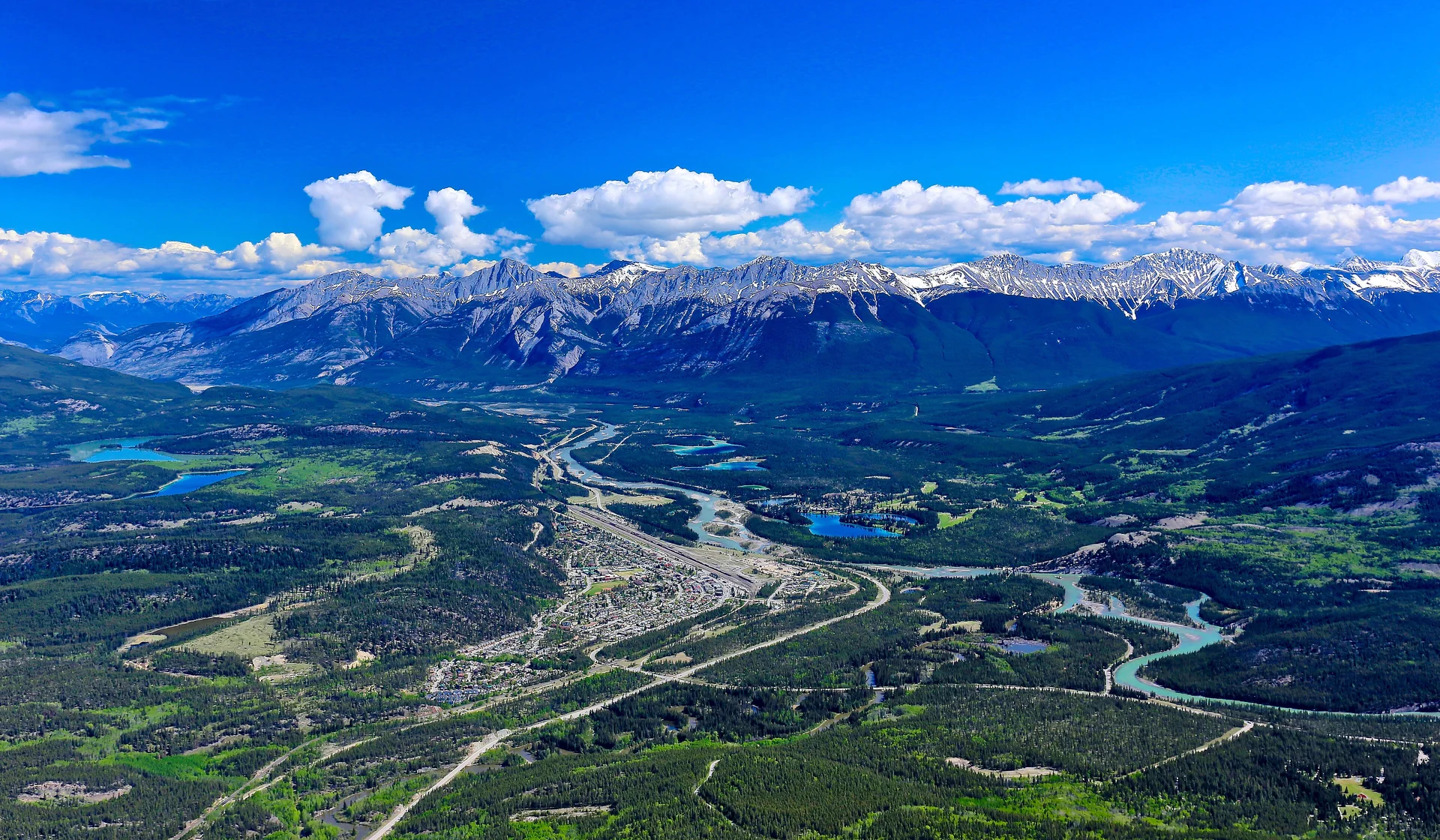
Jasper can feel immense before you understand its shape. A useful first day is not a race toward the biggest landmark. It is an orientation exercise: see how the compact town, railway, river and mountain walls fit together, then choose one outward move that matches the weather and your energy.
Begin at walking speed
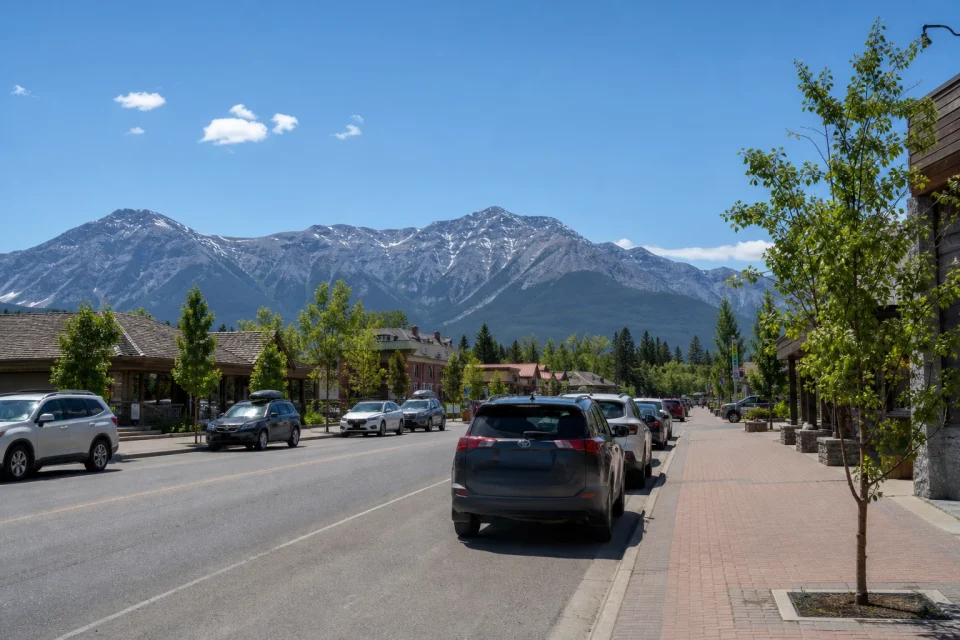
Start in town while attention is fresh. Notice the long east–west logic of the valley, where the railway and major roads sit, and which mountains remain visible as you move between blocks. This gives every later drive or trail a mental reference point.

Athabasca River Easy Scenic Raft Trip
Join the fun on the Athabasca River for a unique perspective of Jasper National Park. Our 2-3 hour round trip passes through many small sets of rapids...

Jasper Wildlife and Sightseeing Tour with Maligne Lake Hike
Discover the Maligne Valley on a guided sightseeing and wildlife tour featuring scenic stops and a 2–3 km guided nature hike at world-famous Maligne...
- Locate the current visitor-information source and check park notices.
- Carry layers even when town feels warm.
- Confirm the return plan before leaving reliable service.
- Keep wildlife expectations grounded: distance is part of responsible viewing.
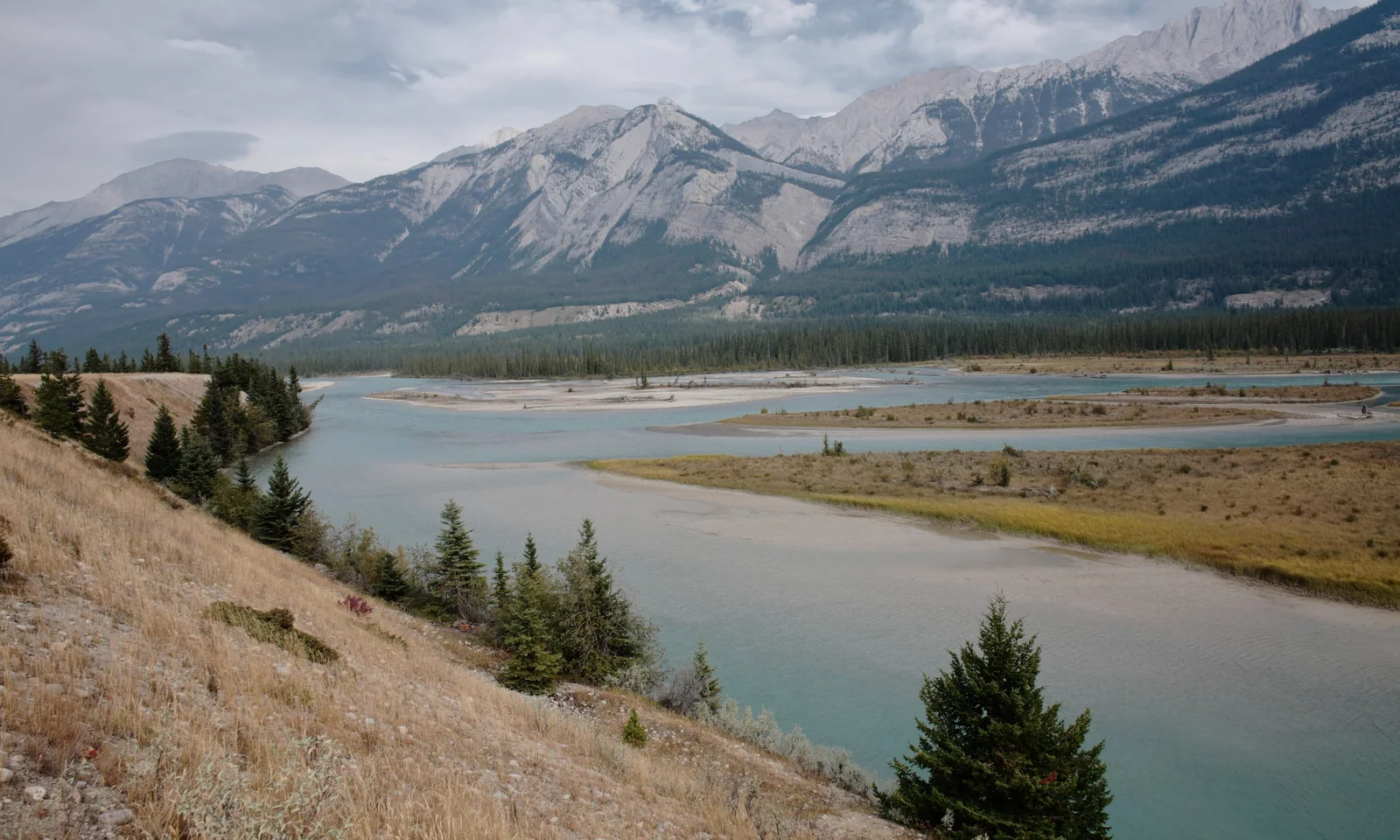
Use the river as a compass
The Athabasca River is more than a scenic stop. It is one of the clearest ways to read the valley. A short river walk can reveal wind, cloud movement, water level and the scale between town and the surrounding ranges.
Choose one expansion, not five
For the second half of the day, select a lake, waterfall, higher viewpoint or interpretive experience according to current access and conditions. Leaving space is useful. Mountain travel takes longer than a map can suggest, and a clear afternoon can become a wet or windy one.
The first day works when tomorrow’s map feels smaller, not when today’s checklist feels longer.
Return through town
Come back before dinner with enough time to notice Jasper as a community. A main street, grocery stop, café or quiet evening walk is not filler between landscapes. It is part of what makes this park different from an isolated resort.

Guided Glacier Hike on The Athabasca with IceWalks
This will be the highlight of your trip through the Icefields Parkway! Discover the world of ice with our professio...

Sunwapta River Self-Drive Rafting Trip
The Sunwapta River is the only Class III white water offered in Jasper National Park. The river is glacial fed and i...

Athabasca Canyon Run Family Rafting: Class II Plus Rapids
Starting at the base of Athabasca Falls and plunging through numerous rapids surrounded by high canyon walls, this C...
Jasper Wildlife and Sightseeing Tour with Maligne Lake Hike
Discover the Maligne Valley on a guided sightseeing and wildlife tour featuring scenic stops and a 2–3 km guided nature hike at world-famous Maligne...
Athabasca River Easy Scenic Raft Trip
Join the fun on the Athabasca River for a unique perspective of Jasper National Park. Our 2-3 hour round trip passes...
Continue with trip planning or compare lakes and river routes.